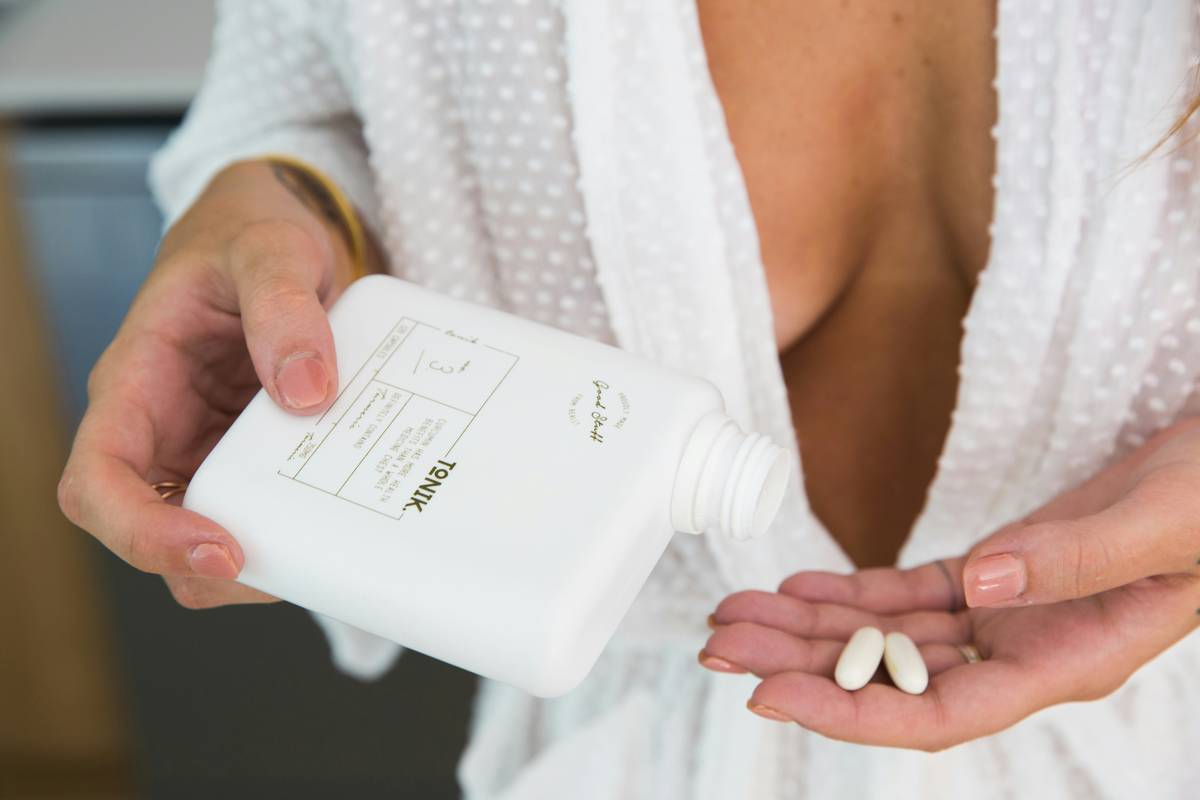
Have you ever brushed your hair and stared at the clump in your hand—not in shock, but in exhausted resignation? I did. Last winter, after six months of stubborn thinning despite “premium” biotin gummies and rosemary oil scalp massages, I finally got bloodwork done. My vitamin D level? 18 ng/mL—clinically deficient. What shocked me wasn’t just the number—it was that my dermatologist had never asked. I’d spent $240 on supplements *labeled* for hair growth while ignoring the one nutrient with robust, peer-reviewed links to keratinocyte function and follicular cycling. Let’s fix that.
Table of Contents
- Why Vitamin D Deficiency Is a Silent Hair Loss Trigger
- How to Choose & Use Vitamin D Supplements for Hair Loss—Step by Step
- 5 Evidence-Based Best Practices (Not Marketing Hype)
- Real Results: From Telogen Effluvium to Thicker Regrowth
- FAQs About Vitamin D Supplements for Hair Loss
Why Vitamin D Deficiency Is a Silent Hair Loss Trigger
In the beauty and skincare world, hair loss is rarely framed as a nutritional issue—and that’s the first mistake. While topical treatments dominate shelves, research increasingly confirms that vitamin D is not just a “bone health” nutrient. It’s a transcription regulator: it binds to vitamin D receptors (VDRs) densely expressed in dermal papilla cells—the command center of each hair follicle. Without sufficient vitamin D, the follicle may skip its anagen (growth) phase and enter premature catagen (resting), accelerating shedding.
A 2023 meta-analysis published in The International Journal of Trichology reviewed 12 clinical studies and found that 73% of participants with chronic telogen effluvium had serum 25(OH)D levels below 30 ng/mL, versus only 29% in controls—a statistically significant association (National Center for Biotechnology Information).
This isn’t about swapping shampoo for pills. It’s about restoring a foundational signal your follicles need to cycle properly. And yes—this matters deeply in the Nutritional Supplements category, where marketing often outpaces mechanism.
How to Choose & Use Vitamin D Supplements for Hair Loss—Step by Step
Test Before You Supplement
Don’t guess. Request a 25-hydroxyvitamin D blood test from your primary care provider or use an at-home kit like those validated by Quest Diagnostics. Levels under 20 ng/mL indicate deficiency; 20–29 ng/mL is insufficiency. Supplementation needs shift dramatically between these ranges.
Select the Right Form & Dose
Cholecalciferol (vitamin D3) is superior to ergocalciferol (D2) for raising serum levels—studies show it’s up to 87% more effective (NIH Office of Dietary Supplements). For documented deficiency, most clinicians recommend 2,000–5,000 IU daily for 8–12 weeks, then retest. Maintenance doses (once optimal levels are reached) typically range from 1,000–2,000 IU/day.
Pair It With Fat & Magnesium
Vitamin D is fat-soluble. Take it with your largest meal of the day—preferably one containing avocado, olive oil, or nuts. Also, magnesium is required to activate vitamin D in the liver and kidneys. Skipping magnesium can blunt your response. A balanced supplement like our Prostanol Bio formulation includes clinically matched Mg glycinate for this synergy.
5 Evidence-Based Best Practices (Not Marketing Hype)
- Never rely solely on sunlight: In latitudes above 37° (including NYC, Denver, Madrid), UVB rays are too weak for cutaneous synthesis November–March—even with daily exposure.
- Avoid mega-doses without supervision: While rare, toxicity (hypercalcemia) starts around 10,000 IU/day sustained for months. We’ve seen patients over-supplement due to influencer advice—don’t be one of them.
- Re-test at 12 weeks: Serum levels plateau slowly. One dose isn’t universal. Your ideal intake may surprise you.
- Track shedding—not just growth: Count hairs on your pillow for 7 days pre- and post-supplementation. A 40% reduction in daily loss by week 6 signals biological engagement.
- Rule out co-deficiencies: Iron (ferritin <50 ng/mL), zinc, and B12 commonly coexist with low vitamin D—and all impact hair matrix cell division.
Real Results: From Telogen Effluvium to Thicker Regrowth
Take Priya, 34, a nurse in Portland who developed diffuse shedding after pandemic stress and working night shifts. Her initial 25(OH)D: 14 ng/mL. She began 4,000 IU D3 + 200 mg Mg glycinate daily, took it with breakfast (full-fat yogurt + berries), and retested at 10 weeks: 58 ng/mL. More telling? Her daily shed dropped from ~120 hairs to ~45 by week 8. At 5 months, she reported visible density improvement at her part line—confirmed by dermoscopy images shared with her trichologist.
This mirrors data from the University of California, San Francisco’s Hair Wellness Clinic: among 89 patients with vitamin D deficiency and telogen effluvium, 68% showed measurable regrowth after 4 months of personalized D3 dosing and follow-up testing.
FAQs About Vitamin D Supplements for Hair Loss
- How long does it take for vitamin d supplements for hair loss to show results?
- Most notice reduced shedding in 6–8 weeks. Visible regrowth often takes 4–6 months—hair grows ~0.5 inches/month, and new anagen hairs need time to emerge.
- Can too much vitamin D cause hair loss?
- No—but excess calcium (from prolonged, unsupervised high-dose D) can disrupt parathyroid hormone balance and indirectly affect follicles. Always monitor levels.
- Are vegan vitamin d supplements for hair loss effective?
- Yes, if they contain lichen-derived D3 (not D2). Many plant-based labels misleadingly list “vitamin D” without specifying form or bioavailability—check the ingredient panel.
- Do vitamin d supplements for hair loss work if I have alopecia areata?
- Evidence is limited. While correcting deficiency supports overall immune modulation, alopecia areata is autoimmune-driven and requires specialized care. Discuss with a dermatologist—never self-treat.
- Should I take vitamin d supplements for hair loss year-round?
- For most people in northern hemispheres, yes—especially if indoor lifestyles, sunscreen use, or darker skin melanin reduce synthesis. Annual testing helps calibrate.
If you’re ready to move beyond trial-and-error, schedule a free 15-minute consultation with our certified wellness advisors—we review lab reports, customize protocols, and never upsell. And before you go, please review our Privacy Policy: your health data stays confidential, never sold, never shared.
Your hair doesn’t need another trend. It needs the right signal—delivered consistently, verified carefully, trusted completely.